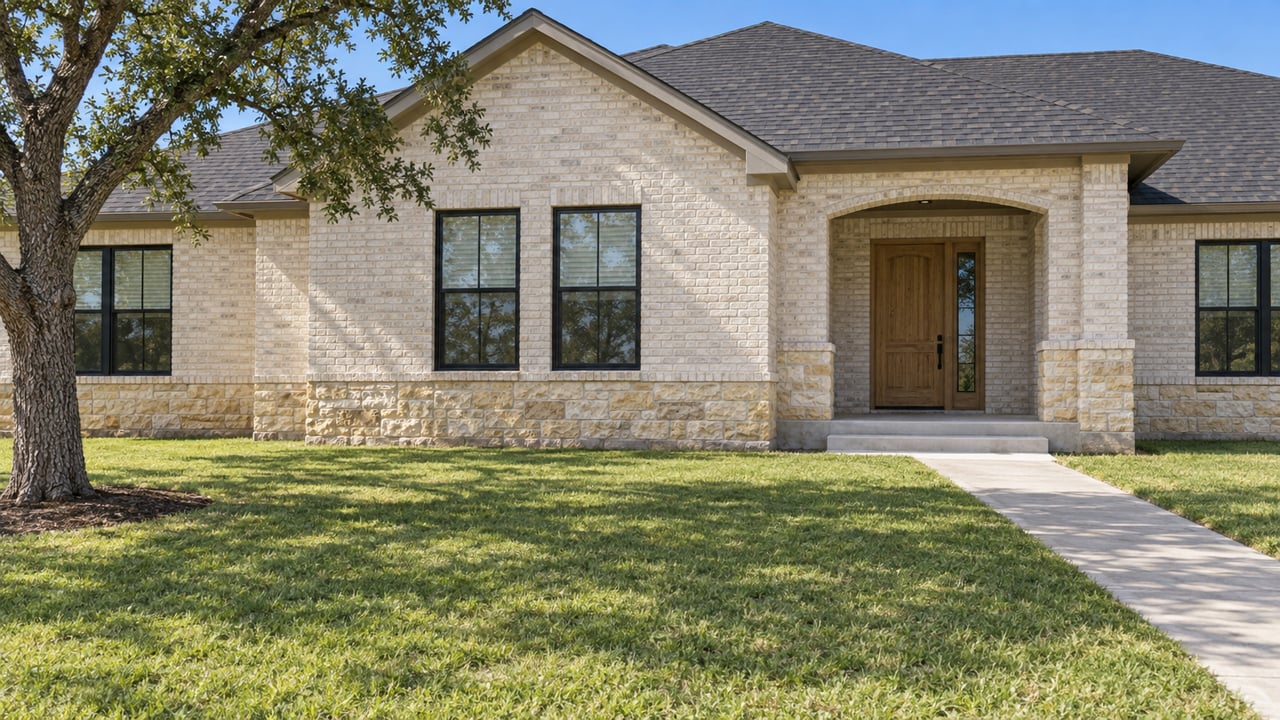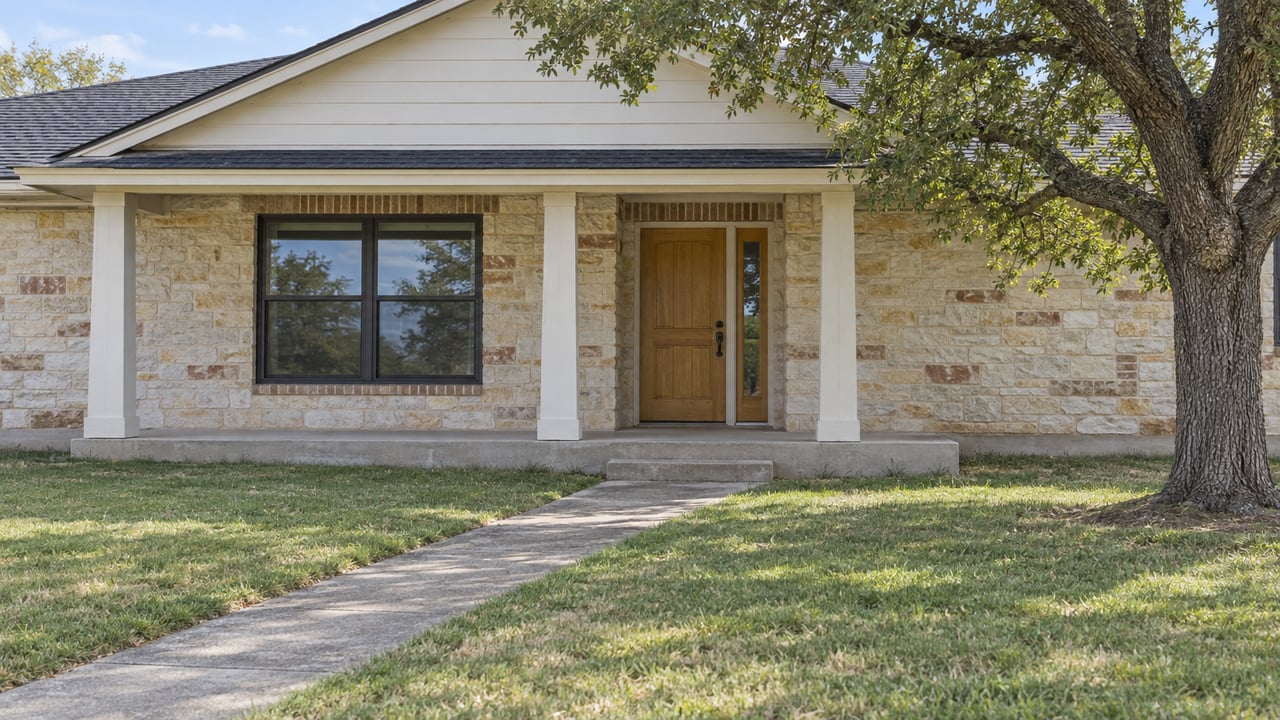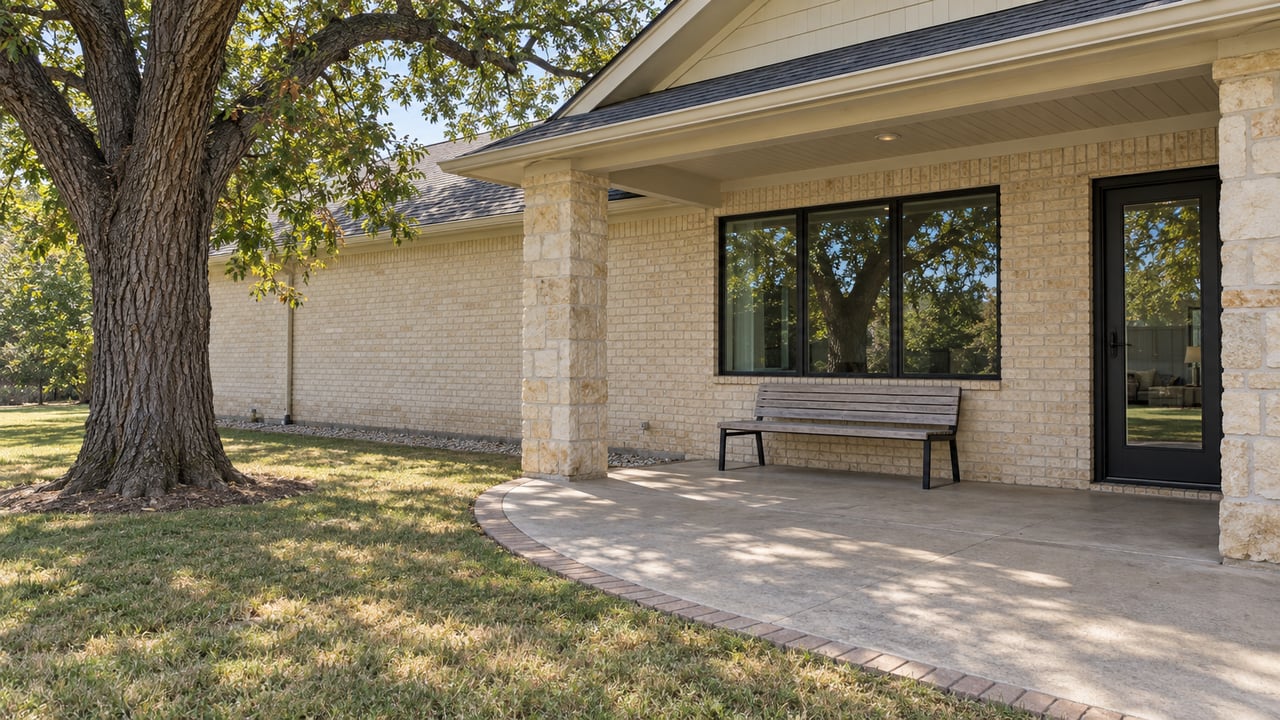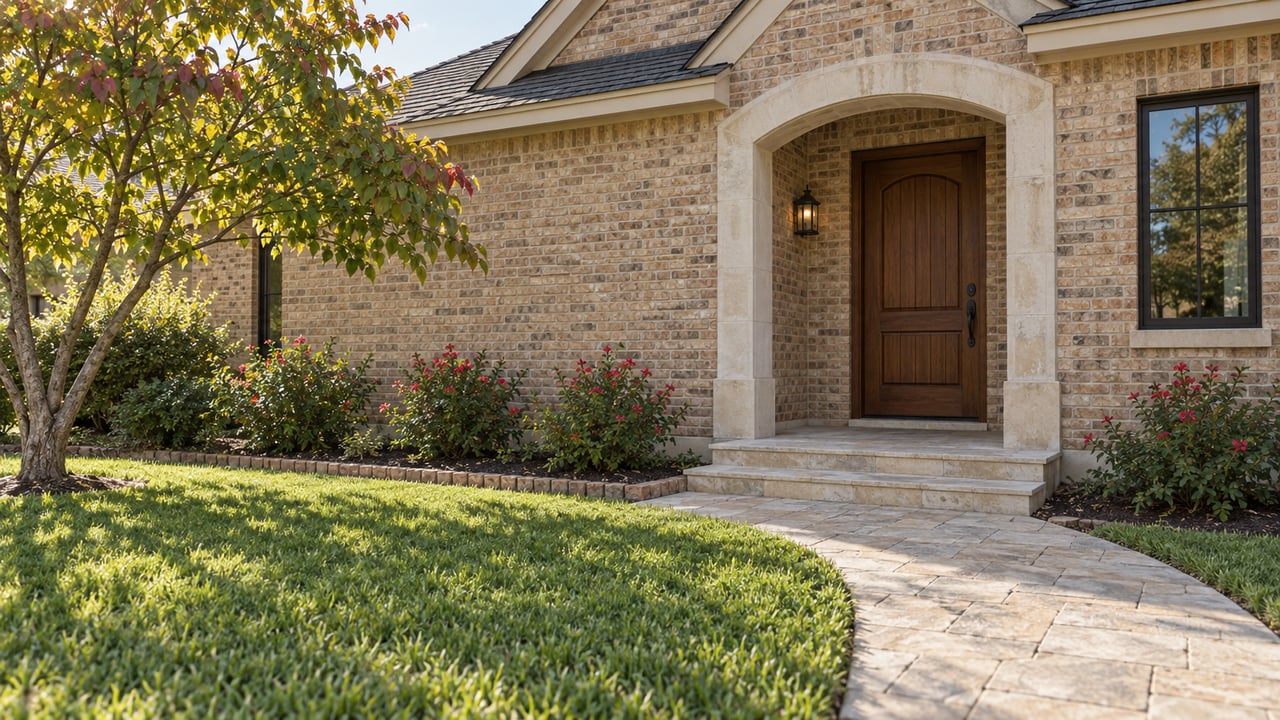
Dreaming about a few quiet acres near Bellville? You are not alone. A country lifestyle can mean more space, room for projects, and a different pace of life, but rural property comes with details that can make or break your plans. If you want to buy acreage near Bellville with confidence, it helps to know what to check before you fall in love with a tract. Let’s dive in.
Why Bellville acreage draws buyers
Bellville sits in Austin County at the intersection of State Highway 36 and State Highway 159, with FM 529, FM 1456, and FM 2429 also connecting through the area. That location gives you a small-town setting with practical access to surrounding communities.
For many buyers, that mix is the appeal. You can enjoy the feel of country living while still paying close attention to drive times, road exposure, and how future traffic patterns may affect a property. TxDOT is studying a potential SH 36 relief route around Bellville, so access and congestion are worth reviewing when you compare tracts.
Start with road access
When you shop for acreage, it is easy to focus on the number of acres, trees, or open pasture. In rural property, access often matters just as much. A listing should tell you whether the tract fronts on a state highway, FM road, county road, or private drive.
That distinction affects more than convenience. Austin County guidance says property on a state highway or FM road should contact TxDOT about culvert permits, and county subdivision rules require divided property to front directly on a public road or street. If you may build later, split the tract, or improve the entrance, those details matter early.
What to confirm about frontage
Before you move forward on a Bellville-area tract, check these basics:
- Whether the parcel has legal access
- What kind of road serves the property
- How much public road frontage the tract has
- Whether a driveway culvert may be required
- Whether the shape and width support your future plans
Austin County also requires at least 150 feet of paved public street frontage for lots served by an on-site sewage facility. If your goal is to build on the land, or divide it in the future, frontage is not a small detail.
Emergency access matters too
County permit guidance adds another practical point. The entrance from the county road to the house should provide a clear 12-foot by 12-foot opening for emergency vehicles.
That may sound simple, but it can affect driveway design, gate placement, and how usable a homesite really is. This is one reason I encourage buyers to look past the photos and study how the tract works on the ground.
Know whether the land is in or out of city limits
Utility questions around Bellville often begin with one simple point: is the property inside the city limits or outside them? Inside Bellville city limits, the city says it owns electrical distribution, gas distribution, water, wastewater, and sanitation services. New utility connections require a utility service application and deposit.
Outside the city, utility service may look very different. Water could come from a rural water provider or from a private well, so you do not want to assume public water is available just because a tract is close to town.
Public water versus private well
Austin County Water Supply Corporation serves parts of the county from Bellville and reports a system that extends across 156 miles of distribution lines. Even so, service depends on the exact tract location and service area, not just the mailing address.
If a property will rely on a private well, there are local groundwater rules to know. Bluebonnet Groundwater Conservation District says water wells in Austin County within the district must be registered. It also says drilling for new exempt wells cannot begin until a Well Development Authorization is obtained.
Septic feasibility can shape your plans
One of the biggest questions for rural land is whether the site can support an on-site sewage facility, often called a septic system. TCEQ says permits are required to construct, install, alter, extend, or repair an on-site sewage facility, and local permitting authorities can be stricter than state minimums.
In Austin County, the process includes more than just choosing a septic installer. County guidance says a development permit or exemption certificate is required before an OSSF permit will be issued.
What Austin County may require
Depending on the property and system type, Austin County guidance lists items such as:
- A site evaluation
- An alternate-system design, if needed
- A maintenance agreement for aerobic systems
- An affidavit to the public
- A recorded copy of the deed
- The assigned 911 address
If the property is in a flood-hazard area, the county says an elevation certificate is needed before a development permit will be issued. For buyers, that means a tract that looks perfect online may still need extra review before it is ready for a homesite.
Minimum lot standards to watch
Austin County subdivision standards say that property with public water and an OSSF, or with an individual well and an OSSF, must be at least one net acre. The same standards say divided property must front directly on a public road or street, and OSSF-served lots need 150 feet of paved street frontage.
County guidance also notes one residential structure per one-acre tract. If you are picturing multiple homes, a guest setup, or a future split, you will want to review those standards carefully before making assumptions.
Look closely at ag valuation
For many acreage buyers, property taxes are a major part of the conversation. In Texas, qualifying agricultural and open-space land can be appraised based on productivity value rather than market value.
That does not mean every rural tract automatically receives that treatment. The Texas Comptroller says 1-d-1 land must be devoted principally to agricultural use, meet the required degree of intensity, and have been used for agriculture or timber for at least five of the past seven years.
Why current tax status is not enough
A tract may show an ag valuation today, but you still need to understand why it qualifies and what could change after a purchase. Austin County Appraisal District says 1-d-1 applications should be filed after January 1 and before April 30. It also notes that a change to non-agricultural use can trigger rollback tax for the previous three years.
Austin County guidelines also distinguish 1-D from 1-d-1. That matters if you are trying to understand whether the current owner’s use will transfer cleanly to your intended use. AG and homestead applications can also take 4 to 6 weeks to process, according to the appraisal district.
Deed restrictions and title work still matter
One of the biggest surprises in rural real estate is that wide-open land may still come with recorded limits. Austin County subdivision regulations define deed restrictions as private covenants that the county cannot enforce.
That means you should not assume the county will flag every issue for you. Restrictive covenants can address land use details such as minimum square footage, and county rules also require notice of driveway culvert placement requirements to be placed in deed restrictions in some cases.
Where buyers can verify records
The Austin County Clerk says copies of deed records can be requested through the public records department. The office also notes that it cannot provide legal advice or search public records for a buyer.
That is why title commitments, county records, and sometimes a real estate attorney are important parts of rural due diligence. On acreage, the paper trail matters just as much as the view from the gate.
A practical Bellville acreage checklist
When you are buying acreage near Bellville, a clear checklist helps you stay focused on the issues that affect day-one usability and long-term value.
Here are some of the most important items to confirm:
- Exact tract location and boundary lines
- Road frontage and legal access
- Whether water service is from the city, a rural water provider, or a private well
- Whether the site appears feasible for septic under county rules
- Whether the land has current ag appraisal and any rollback exposure
- Whether deed restrictions or easements affect your plans
- Whether flood-hazard conditions could affect permitting
Rural property purchases often involve several local professionals, including a surveyor, title company, septic designer or site evaluator, well driller, county planning staff, and the appraisal district. The more clearly you understand the tract before closing, the smoother your path tends to be.
Why local guidance matters
Buying acreage is different from buying a house in a neighborhood. You are not just evaluating bedrooms and finishes. You are evaluating access, water, wastewater, taxes, and whether the land truly supports the lifestyle you want.
That is where local, boots-on-the-ground guidance can save time and stress. When I help buyers look at small acreage and rural property, I focus on the practical questions early so you can make a decision with open eyes and a solid plan.
If you are thinking about buying acreage near Bellville for a country lifestyle, I would love to help you sort through the details and find land that fits your goals. Reach out to Lauren M. Cox for local guidance on Bellville-area acreage and rural property opportunities.
FAQs
What should you check first when buying acreage near Bellville?
- Start with legal access, road frontage, road type, and whether the tract connects directly to a public road or street.
How do utilities work for acreage near Bellville?
- Inside Bellville city limits, utility service may be provided by the city. Outside the city, water may come from a rural water provider or a private well, so the exact service area should be confirmed.
Do you need a septic permit for rural land in Austin County?
- Yes. TCEQ says permits are required for on-site sewage facilities, and Austin County requires a development permit or exemption certificate before an OSSF permit will be issued.
Can a Bellville-area tract qualify for ag valuation?
- Possibly. Qualifying land may be appraised on productivity value, but the tract must meet use and history requirements, and a change to non-agricultural use can trigger rollback taxes.
Do deed restrictions apply to rural acreage near Bellville?
- They can. Recorded deed restrictions and easements may affect how you use or improve the property, so title review and county record checks are important before closing.