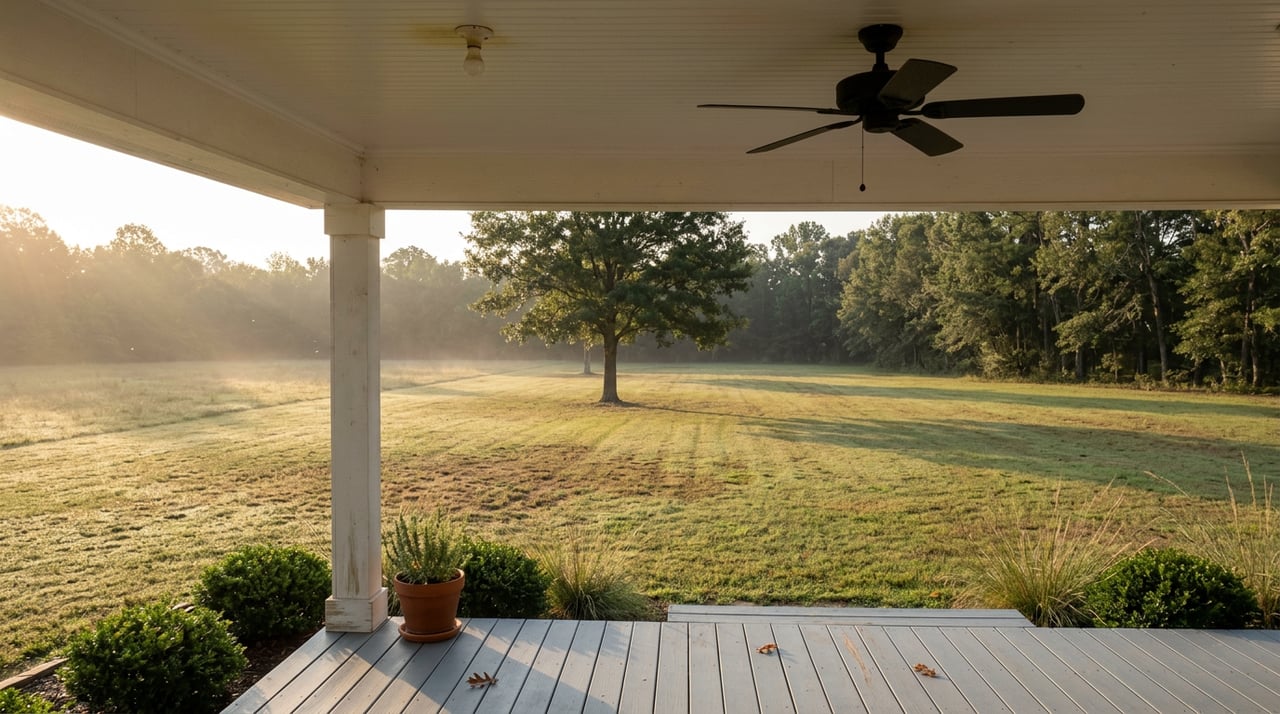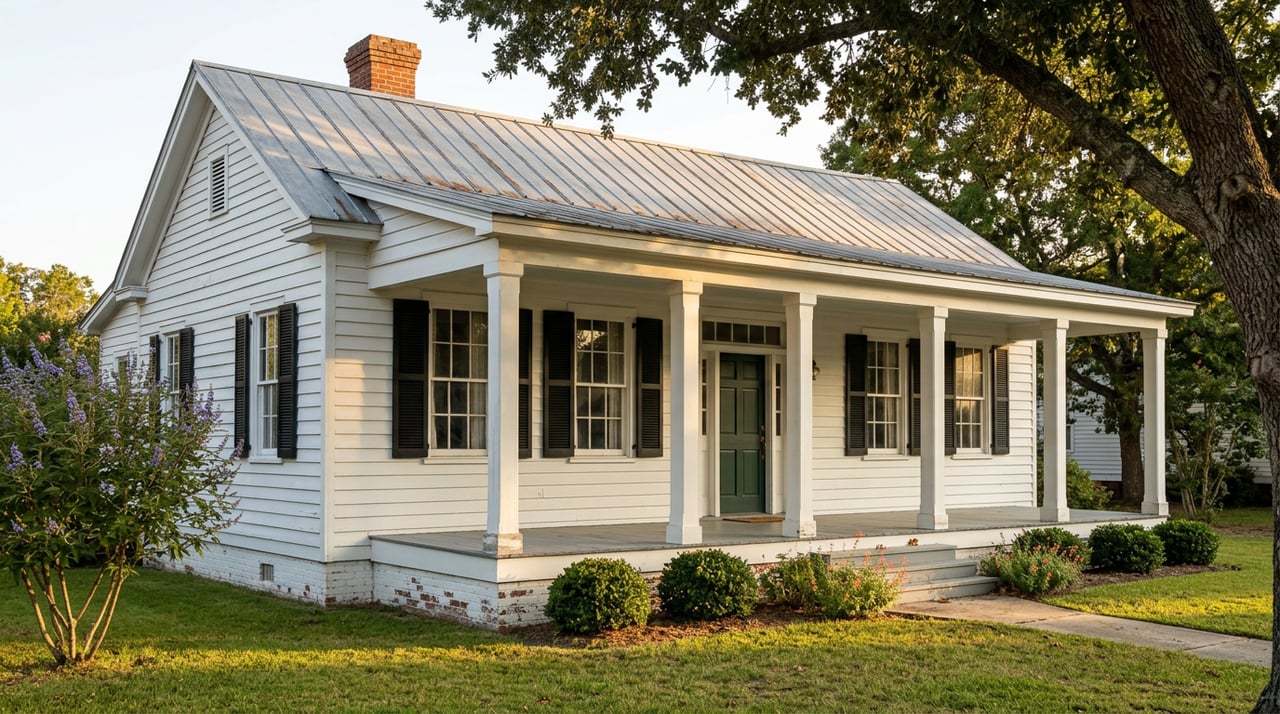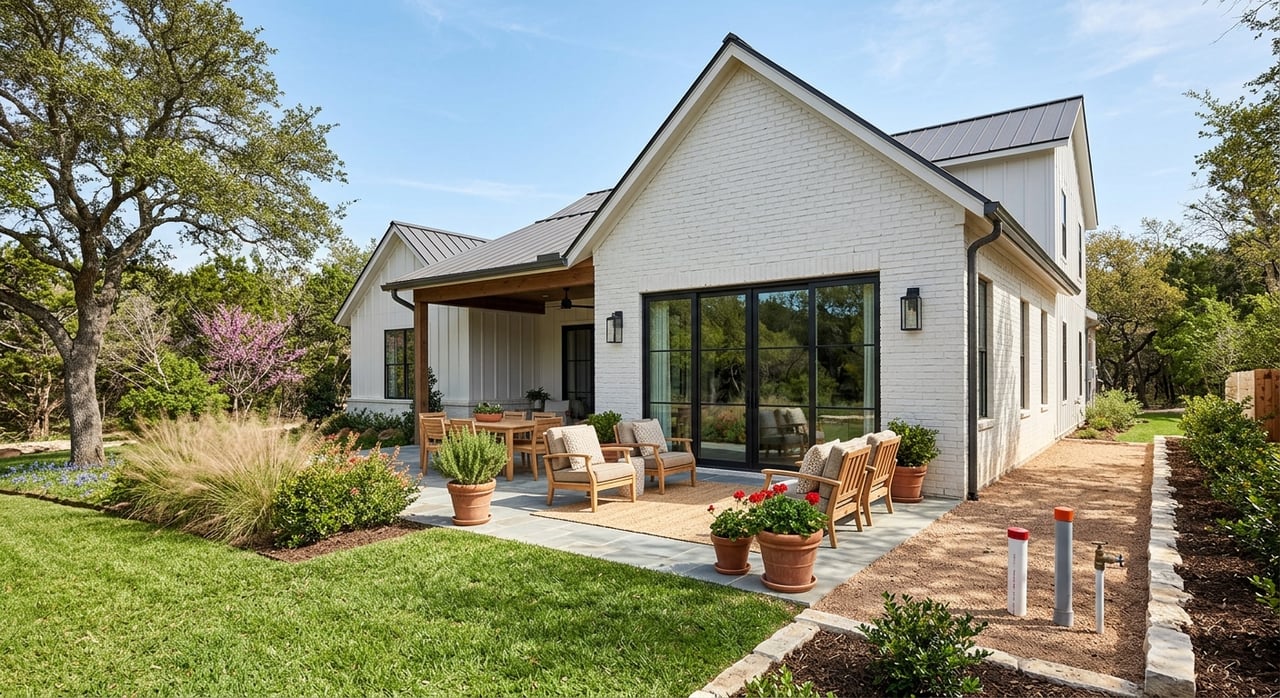
If you are thinking about making a move in Chappell Hill, one big question can shape everything that comes next: should you build a home from the ground up or buy one that already exists? In a small rural market, that choice is about more than style or square footage. It affects your timeline, budget, land planning, utilities, and long-term flexibility. The good news is that once you understand how Chappell Hill works, the decision gets much clearer. Let’s dive in.
Chappell Hill Market Basics
Chappell Hill is an unincorporated community in Washington County, located about 57 miles northwest of Houston at the junction of Farm Roads 1155 and 2447, according to the Texas State Historical Association. Local utility information places the community at roughly 600 people, which helps explain why the area feels more like a small rural micro-market than a large suburban housing pool.
That matters when you compare building versus buying. Washington County housing includes a mix of new construction, remodels, historic properties, and existing homes, along with estate tracts and larger acreage opportunities. Based on Zillow home value data for Washington County, the county’s typical home value was $368,822 as of March 31, 2026, while Chappell Hill’s city-level value index was $620,686, with county homes going pending in about 92 days.
In simple terms, Chappell Hill is not a broad entry-level market with endless inventory. It is a smaller, more premium rural market where each property can be very different from the next. That makes local due diligence especially important whether you build or buy.
When Building Makes Sense
Building can be a strong option if you want privacy, acreage, and a layout designed around how you live. In Chappell Hill, that often appeals to buyers who want more separation between homes, room for outbuildings, or a house plan that better fits rural living.
Building tends to make the most sense when you already control the land or have identified a tract that clearly works for your goals. In this area, that means looking beyond the home design and making sure the property supports access, septic, water service, and any needed site work before you commit.
Build for Custom Features
If your top priority is a custom floor plan, building gives you more control. You can shape the layout, choose finishes, and plan around the lot’s views, driveway approach, and outdoor living space.
That level of control can be valuable on acreage. A custom build may let you place the home where it makes the most practical sense for drainage, privacy, and daily use of the land.
Build for Acreage Goals
Chappell Hill and the surrounding county offer a mix of smaller estate tracts and larger properties. If your ideal setup includes open space and a home positioned specifically for that tract, building may line up better than waiting for an existing property to hit the market.
Still, a land purchase here should never be treated like a blank canvas. Rural parcels can come with requirements that affect what you can build, where you can place improvements, and how much site preparation will cost.
What Building Really Involves
New construction often feels straightforward at first: buy land, choose a builder, and start. In practice, the process is usually more layered, especially in rural parts of Washington County.
According to the National Association of Home Builders’ 2024 construction cost survey, the average sales price of a new single-family home was $665,298. Of that, $428,215 was tied to construction costs, $91,057 to the finished lot cost, and construction alone averaged about $162 per square foot.
That does not mean every Chappell Hill build will mirror those numbers. It does show why building can become expensive before the home is complete, especially once land prep, utility work, septic planning, and driveway access are added.
Build Timelines Are Longer
If speed matters, building usually asks for more patience. NAHB’s 2025 timeline update, based on 2024 Census data, found that the average single-family home took 9.1 months from start to finish, with owner-built homes taking 15.1 months and homes built for sale taking 7.6 months from permit to completion.
Those are national figures, but they are a useful reminder for local buyers. A custom or owner-directed build in Chappell Hill may involve a longer runway than many people expect.
Lot and Labor Challenges Matter
National builder data also points to ongoing challenges behind the scenes. NAHB reported in 2025 that 64% of single-family builders faced a shortage of lots, and 61% said labor cost and availability was a serious problem, as noted in its lot shortage update.
For you, that can show up as higher pricing, slower schedules, or fewer easy build-ready options. It is one reason why building is often most practical when you already have a tract and a realistic budget for site work and delays.
Site Work Is a Big Deal Here
In unincorporated Washington County, no building or electrical permits are required for a new build or addition. Even so, that does not mean you can skip planning.
The county still notes that floodplain permits, septic or OSSF permits, culvert permits, utility-installation permits, and subdivision approvals can apply. You can review these requirements through Washington County’s road and permit information and the county’s environmental services guidance.
Septic Planning Comes First
For many rural properties, septic feasibility is one of the first items to verify. Washington County states that all new, altered, repaired, or enlarged septic systems require a permit before work begins, and the permit fee for a single-family residence is $200.
The county also notes that for tracts subdivided on or after June 15, 2009, minimum acreage is generally 1.0 acre if served by public water and no well is on the property, or 1.5 acres if a well is on the property. That means survey work, home placement, and water planning can directly affect whether a parcel fits your plans.
Water and Utility Access Need Review
Water service is another major part of the build decision. Chappell Hill Water Supply Corporation serves the area, and Texas water planning materials identify it as a sole-source system, which can mean added vulnerability during drought or supply disruptions.
That does not mean service is unavailable. It does mean you should confirm service details early and understand what utility installation, extension, or right-of-way work may be required for a specific tract.
Why Buying an Existing Home Often Wins
For many buyers, purchasing an existing home is the simpler and faster path. In a market like Chappell Hill, that can be a major advantage.
Buying an existing property usually means you can focus on inspections, financing, and closing instead of managing raw-land questions, septic design, utility planning, and construction timelines. If you want to move sooner or reduce the number of moving parts, that can make a real difference.
Existing Homes Offer Faster Occupancy
Based on Washington County market data from Zillow, homes in the county were going pending in about 92 days. While each transaction is different, buying an existing home still tends to offer a much faster path to occupancy than building from scratch.
That is especially helpful if you are relocating, balancing a home sale, or trying to settle into the area on a predictable schedule.
Existing Homes Reduce Unknowns
With an existing home, you can usually see more of what you are getting upfront. The house is already on the site, the driveway is there, utility service is in place or easier to verify, and the floor plan is not theoretical.
That does not remove all risk, but it often cuts down on the layers of coordination that come with a land purchase and custom build.
Existing Homes Still Need Rural Due Diligence
Buying an existing home in Chappell Hill is not a shortcut around rural property issues. Many of the same questions still matter, especially with older homes or homes on acreage.
County rules show that septic systems are regulated, floodplain development can require authorization, and utility work may trigger permits. In a historic community like Chappell Hill, where the Texas State Historical Association notes there are more than 25 Texas historical markers and 10 National Register sites, older homes can also come with more maintenance considerations.
Check These Items Before You Buy
If you are buying an existing home, pay close attention to:
- Septic age, condition, and documentation
- Water provider and service details
- Floodplain status
- Road access and driveway or culvert setup
- Utility installation history or limitations
- The likely annual property tax burden
These are not just technical items. They affect usability, future costs, and resale appeal.
Think About Resale Too
Your decision is not only about what works today. It is also about how the property may perform when it is time to sell.
In a small market like Chappell Hill, properties with broader buyer appeal often have an easier resale path. That usually means manageable acreage, straightforward access, clear septic and water documentation, and a home design that works for more than one type of buyer.
Overcustomization Can Narrow Appeal
A highly customized build may fit your life perfectly, but it can also shrink the buyer pool later. The same can be true for a tract that required costly utility extension or has unusual site limitations.
That does not mean you should avoid building. It means you should balance personal preferences with future marketability, especially in a smaller rural community.
Taxes Belong in the Comparison
Property taxes are another piece of the build-versus-buy decision. The Washington County Appraisal District 2025 tax-rate table lists a county general rate of 0.3040 and an FM rate of 0.0800, while other taxing units vary by parcel.
Because new construction often creates a higher taxable improvement value than a comparable existing home, it is smart to compare projected annual carrying costs instead of looking only at purchase price.
A Simple Way to Decide
If you are torn between building and buying, start with your priorities.
Build if you want acreage, privacy, and a custom layout, and you are prepared to confirm septic feasibility, water access, road access, floodplain status, and site costs before moving forward.
Buy an existing home if you want a faster move, fewer unknowns, and a simpler transaction with less coordination.
In Chappell Hill, the right answer usually comes down to the parcel itself and how much flexibility you have on time, budget, and customization. If you want help weighing those tradeoffs, Lauren M. Cox can help you look at the details that matter most in a rural property search.
FAQs
Should you build or buy an existing home in Chappell Hill if you need to move quickly?
- If your priority is speed, buying an existing home is usually the better fit because building often involves longer timelines, site planning, and additional approvals.
What should you check before building on land in Chappell Hill?
- Before building, you should verify septic feasibility, water service, floodplain status, road or culvert access, and whether utility-installation or other county approvals apply.
Are septic permits required for new homes in Washington County?
- Yes. Washington County states that all new, altered, repaired, or enlarged septic systems require a permit before work begins.
Is Chappell Hill a good place to consider a custom home build?
- Chappell Hill can be a practical place for a custom build if you want acreage and privacy and the tract supports your plans for septic, access, utilities, and layout.
What makes existing homes in Chappell Hill different from suburban homes?
- Existing homes in Chappell Hill may involve more rural-property factors such as septic systems, water service details, floodplain questions, and acreage-related access considerations.
How do property taxes affect the build-versus-buy decision in Chappell Hill?
- Property taxes matter because new construction often creates a higher taxable improvement value, so you should compare expected annual carrying costs along with upfront price.