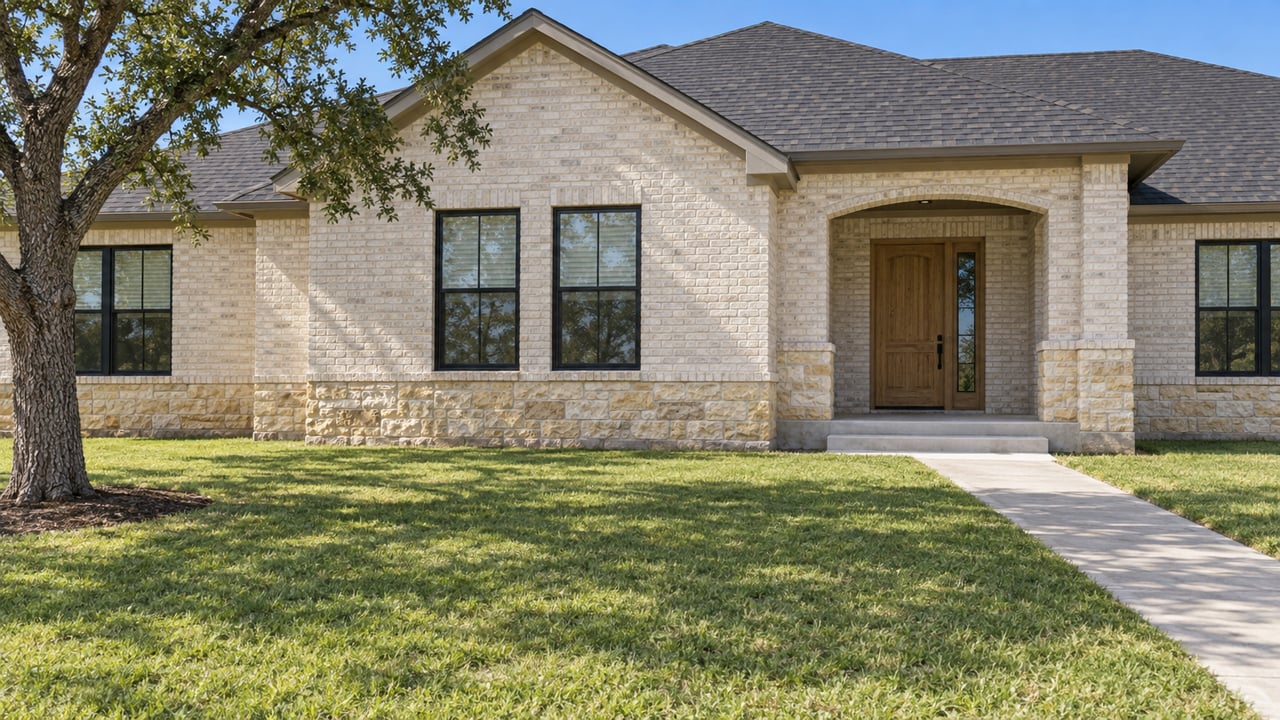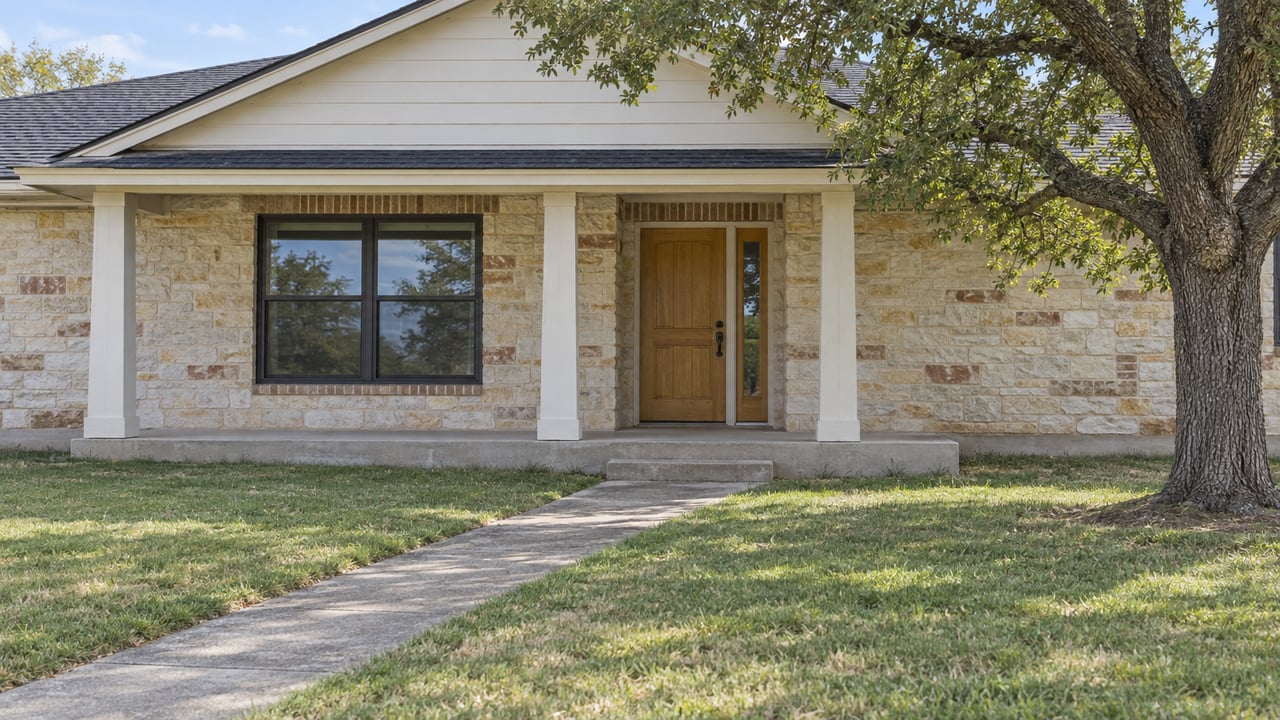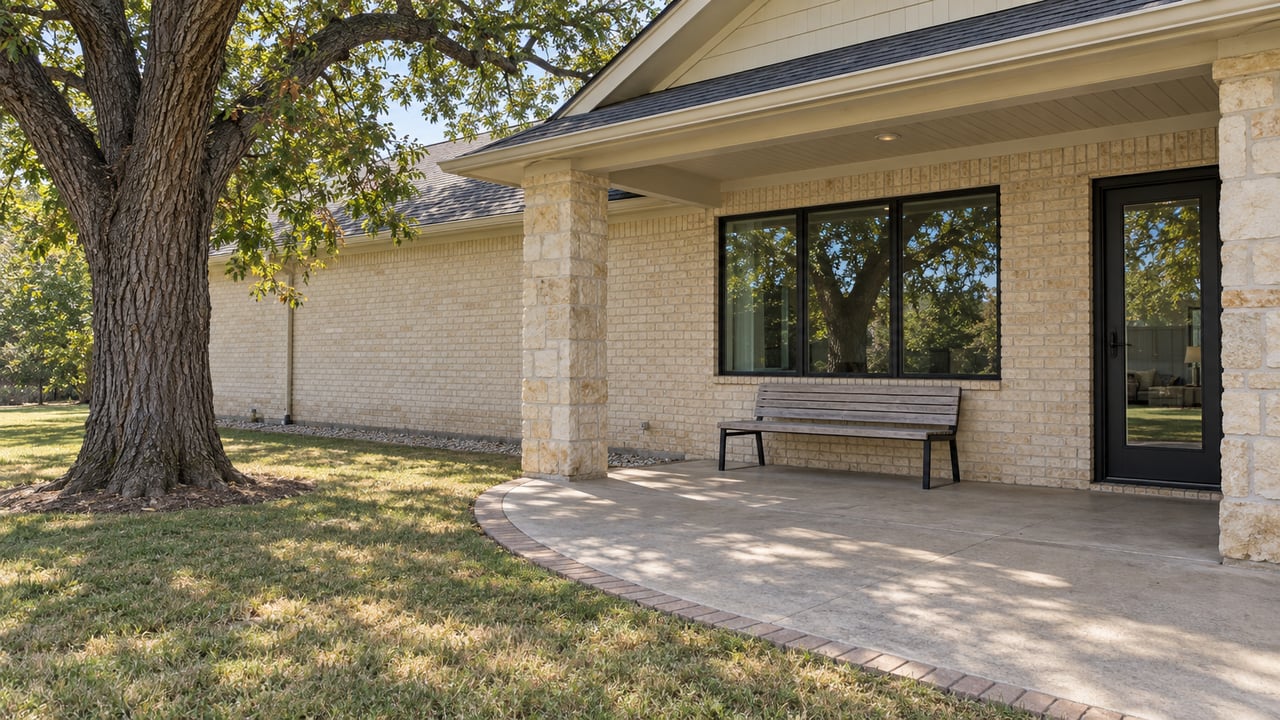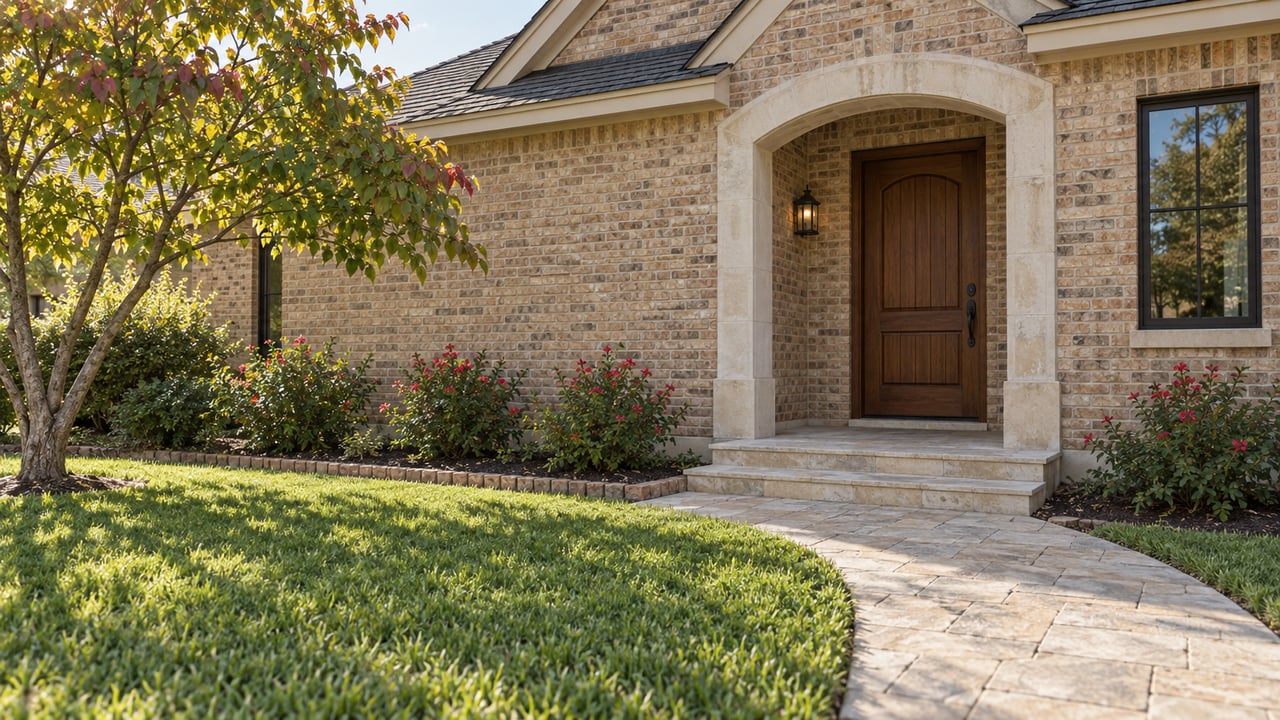
Buying your first home in Brenham can feel exciting one minute and overwhelming the next. You are trying to make a smart financial decision, learn the Texas process, and avoid surprises after closing. The good news is that a little local knowledge goes a long way. This guide walks you through what to expect, what to verify, and which Brenham-specific details matter most before you buy. Let’s dive in.
Start With Preapproval
Before you tour seriously or write an offer, get preapproved with a lender. A preapproval letter shows a seller that you have taken an important first step, but it is still a tentative promise to lend, not a final loan approval.
It also helps you set a realistic budget. Once you are ready to move forward, compare official Loan Estimates from multiple lenders so you can understand your rates, fees, and monthly payment options more clearly.
Understand the Texas Contract Timeline
Texas works a little differently than some buyers expect. There is no automatic three-day or 72-hour cooling-off period after your offer is accepted.
Instead, buyers often rely on the option period. This is a negotiable part of the contract that gives you the unrestricted right to terminate for any reason during that period if you pay the agreed option fee and deliver written notice on time.
Why the option period matters
For a first-time buyer, the option period is one of the most important parts of the process. It is your main window to inspect the property, ask questions, and decide whether to move forward.
This is not the time to move slowly. Once the contract is effective, calendar days begin counting the day after that date, and several deadlines arrive quickly.
Key Texas timing to know
- The option fee must be delivered to the title company within three days after the effective date.
- Earnest money must generally be deposited by the close of business on the second working day after execution, unless the contract says otherwise in writing.
- Contract days are counted as calendar days starting the day after the effective date.
Schedule Inspections Right Away
As soon as you go under contract, schedule your inspection. A home inspection is different from an appraisal, and most buyers need both.
The inspection helps you understand the home’s condition. The appraisal helps the lender confirm the property’s value for the loan.
What inspections can help you uncover
During the inspection window, you may learn about repair needs, aging systems, or issues that need more review. Major repair items can even become a condition of closing.
That is why it is smart to act fast. If the inspection raises concerns, you may be able to negotiate repairs or decide to terminate during the option period.
Check Brenham Utilities Early
In Brenham, one of the first practical questions is how the home is served. Inside the city, the City of Brenham Public Utilities department handles electric, gas, water, wastewater, sanitation, and drainage.
That can make things more straightforward for many in-town properties. But outside the city or on rural parcels, utility setups may be very different.
Rural properties may use septic
If you are looking at a property outside city service areas, ask early whether the home uses a septic system. In those situations, permits for on-site sewage facilities are required through the state process.
This is especially important if you are considering small acreage around Brenham. Utility access, wastewater setup, and service details can affect both your budget and your plans for the property.
Review Flood Risk Before You Offer
Flood risk is another item to check early, not after you are emotionally committed. FEMA’s Flood Map Service Center is the official source for flood-risk products, and it can help you understand whether a property is in a Special Flood Hazard Area.
That matters because if your mortgage is on a home in that type of area, flood insurance is generally required. It is also important to remember that flood insurance is separate from standard homeowners insurance.
Floodplain rules can affect future work
If a property is inside the City of Brenham floodplain, permit rules matter for future projects. The city states that no work may begin until the permit is issued, and other permits may also be required.
If you are planning updates after closing, this is worth checking before you buy. A home that looks perfect today may still come with added steps for future improvements.
Know Which Repairs Need Permits
Many first-time buyers plan to make changes soon after moving in. In Brenham, permits are required for new construction, remodeling, enlarging, and some repairs.
The good news is that purely cosmetic work usually does not require a permit. The city says items such as paint, carpet, cabinets, and trim are generally considered cosmetic.
Ask these permit questions early
If you plan to update a home after closing, ask:
- Is the work cosmetic or does it change the structure or systems?
- Will the project require city permits?
- Is the home in a floodplain where extra approval may apply?
- If the property is outside the city, are there septic or other site-related permit issues to review?
Plan for Property Taxes in Brenham
Property taxes can surprise first-time buyers, especially if you only look at the list price and mortgage payment. In Washington County, a home may be taxed by more than one jurisdiction.
Depending on the property location, the tax bill can include Washington County, the City of Brenham, Brenham ISD, Blinn College, and other special districts. That means two homes with similar prices may have different total tax bills.
Why location changes the tax picture
The exact property tax bill depends on where the home sits. This is one reason local guidance matters so much in the Brenham area, especially when you are comparing homes in town versus nearby rural locations.
It is smart to review the property’s taxing jurisdictions before you commit. That gives you a clearer picture of your true monthly cost.
Do Not Miss the Homestead Exemption
If the home will be your principal residence, the general residence homestead exemption is one of the most important tax steps after closing. In Washington County, eligible owners must occupy the home as their principal residence and file with the appraisal district between January 1 and April 30.
For eligible homesteads, there is also a 10 percent annual cap on appraised-value increases once the exemption applies. For tax year 2025, state school-funding guidance reflects a $140,000 school-district homestead exemption for qualifying homesteads.
Important tax dates to remember
- File for the homestead exemption between January 1 and April 30 if you qualify.
- Property tax bills are generally mailed around mid-October.
- Property taxes are generally due by January 31.
Know What Happens at Closing
Closing is when you sign the loan and ownership documents, and the purchase and loan closings usually happen at the same time. The closing may involve the title insurance company, escrow company, and lender.
Before closing, you must receive the Closing Disclosure at least three business days ahead of time. This gives you a chance to review your final loan terms and closing costs before signing.
Why title insurance matters
In Texas, title insurance is regulated by the Texas Department of Insurance. Title insurance protects against unknown title defects, and an owner’s policy is issued when you buy a house unless you reject it in writing.
For a first-time buyer, that protection can offer peace of mind. It is one more part of making sure your ownership rights are protected after closing.
Look Into First-Time Buyer Assistance
If upfront costs feel like the biggest hurdle, you may want to explore the Texas Department of Housing and Community Affairs Homebuyer Program. The program offers low-interest mortgages plus down payment and closing cost assistance.
Its My First Texas Home option is designed for first-time buyers. To qualify for assistance, completion of an approved homebuyer education course is required.
A Smart First-Time Buyer Checklist
If you want a simple path forward, follow this order:
- Get preapproved.
- Compare Loan Estimates from multiple lenders.
- Ask about the option period before you sign.
- Schedule inspections immediately after going under contract.
- Verify taxes, utilities, flood risk, and septic details early.
- Review any planned repairs or updates for permit needs.
- Apply for your homestead exemption after closing if the home qualifies.
Buying your first home in Brenham is a big milestone, but it does not have to feel confusing. When you understand the Texas timeline and the local details that affect ownership here, you can move forward with more confidence and fewer surprises.
If you want local guidance from someone who knows Brenham, in-town homes, and the practical differences that come with rural properties, reach out to Lauren M. Cox for a neighborly, hands-on approach to your first home purchase.
FAQs
What should first-time buyers in Brenham do before touring homes?
- Start with preapproval so you understand your budget and can show sellers you are serious, then compare Loan Estimates once you are ready to move forward.
How does the option period work for Texas homebuyers?
- In Texas, there is no automatic cooling-off period, so the option period is the buyer’s main chance to inspect the home, negotiate repairs, or terminate by written notice within the agreed time.
What utility questions should Brenham homebuyers ask?
- Ask whether the property is served by City of Brenham utilities or uses rural systems such as septic, because that can affect cost, maintenance, and future property plans.
Why should Brenham buyers check flood risk before making an offer?
- Flood risk can affect insurance costs, loan requirements, and future improvements, especially if the property is in a Special Flood Hazard Area or local floodplain.
How do property taxes work for homes in Brenham?
- A Brenham-area home may be taxed by multiple jurisdictions, such as Washington County, the City of Brenham, Brenham ISD, Blinn College, and other districts depending on location.
When should a Washington County homeowner file for a homestead exemption?
- If the home is your principal residence and you qualify, file with Washington CAD between January 1 and April 30.
Do home improvements in Brenham require permits?
- Permits are required for new construction, remodeling, enlarging, and some repairs, while cosmetic work such as paint, carpet, cabinets, and trim generally does not require a permit.