Thinking about a little slice of land near Brenham where you can spread out, put up a barn, or just enjoy quiet mornings? Small acreage here can be a great fit, but the details matter. From utilities and access to tax status and restrictions, a few checks up front can save you time and money. In this guide, you’ll learn exactly what to verify in Washington County before you write an offer, plus who to call and how to keep your timeline on track. Let’s dive in.
Brenham basics: City vs. county rules
Most ranchettes around Brenham sit in unincorporated Washington County. In town, you usually connect to city water and sewer and follow city permitting. Outside city limits, you often rely on a private well, on‑site septic, and county permitting for roads, floodplain, and OSSF. If you are unsure where a property falls, start by checking utilities with the City of Brenham Public Utilities and confirming septic and floodplain questions with Washington County Environmental Health.
Access and roads: How you get in matters
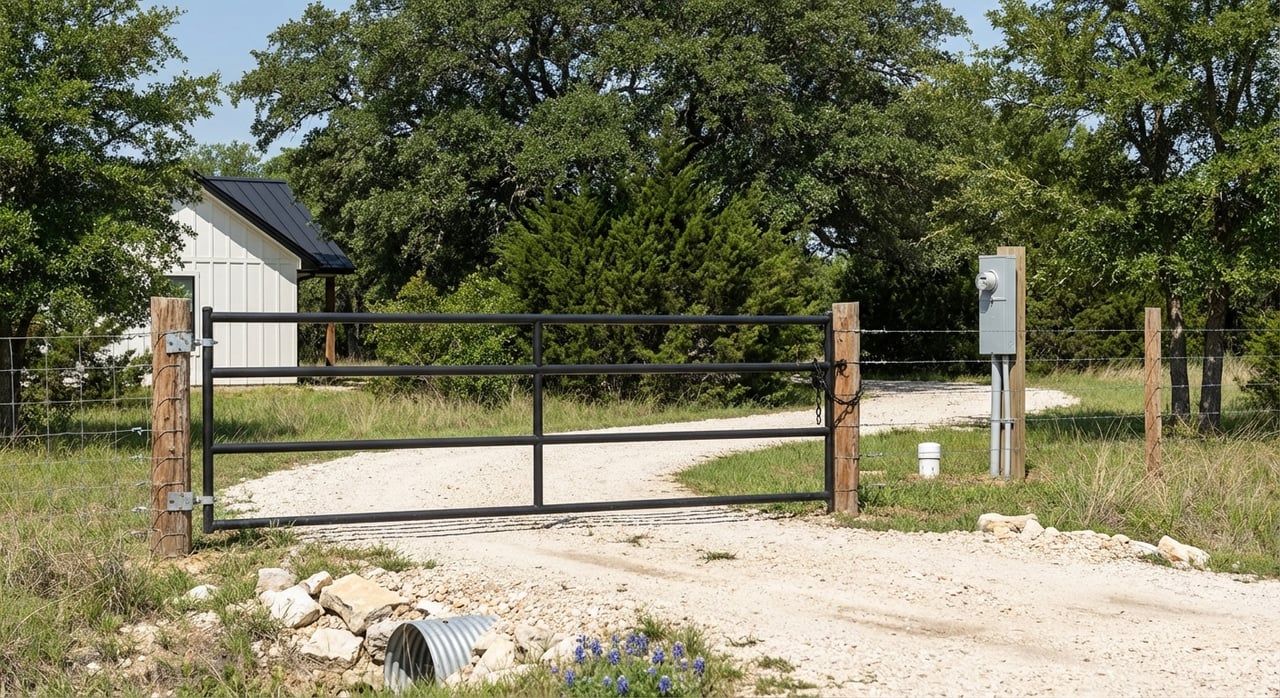
Access influences value, financing, and future maintenance. Confirm whether the property fronts a county‑maintained road, a city street, or a private road. If you will need a new driveway or a culvert, plan for a county permit and installation. Also check for recorded access easements and any private road maintenance agreement that spells out who pays for upkeep. For driveway, culvert, and right‑of‑way questions, contact Washington County Road & Bridge / Engineering & Development Services.
Quick checks for access
- Is the driveway location permitted and safe to build?
- Does a gate or cattle guard sit in an easement or right‑of‑way?
- Who maintains the private road, and is that agreement recorded?
Power and internet: Where the lines are
In rural Washington County, the serving electric co‑op is often Bluebonnet Electric Cooperative. Ask if service is at the property line or if a line extension is needed. Co‑ops may charge construction or extension fees when poles, transformers, or long service runs are required. Request any past service orders or cost estimates from the seller or listing agent so you can budget realistically.
Water: Public connection or private well
First, find out if the tract sits in a public water service area or if you will need a private well. If a well exists, ask for the driller report and any water‑quality testing. Texas maintains driller reports through the Texas Water Development Board well reports. These records help you understand depth, yield, and nearby well history, and they are also useful for septic planning when separation distances apply.
Well due diligence
- Get the driller report and recent water test results.
- Ask about well age, pump type, and any repairs.
- Verify distances from the well to any proposed septic system.
Septic systems: Permits and maintenance
If your property is not tied to public sewer, you will need an on‑site sewage facility that meets state and county rules. Washington County Environmental Health issues permits for new systems, alterations, and repairs, and it provides checklists for soil evaluations, site plans, and aerobic system requirements. Always ask for the septic permit, system type (conventional or aerobic), installation date, and any maintenance contract for aerobic systems. Start your review with Washington County Environmental Health.
Septic due diligence
- Confirm the permit number and installer.
- Review the site evaluation and system design.
- For aerobic systems, request the maintenance contract and service records.
Floodplain and drainage: Buildable areas and insurance
Check whether any portion of the property falls in a Special Flood Hazard Area on FEMA maps. Floodplain status can affect where you can build, required elevations, and flood insurance costs. Washington County enforces floodplain rules in unincorporated areas and issues floodplain development permits when needed. Start with the FEMA Flood Map Service Center and follow up with the county floodplain administrator through Environmental Health if the site touches a mapped flood zone.
Deed restrictions, plats, and HOAs
Even rural tracts can carry recorded restrictions that limit animals, fencing, building types, or commercial use. If the property sits in a platted subdivision, also review the plat for any notes that affect development. Always pull the recorded deed, any referenced restrictions, and the subdivision plat from the Washington County Clerk. A title commitment will also list easements and exceptions that you should understand before moving forward.
Agricultural valuation and wildlife management
An existing agricultural or wildlife management valuation can lower the property’s taxable value, which helps your annual cost of ownership. Ask whether the parcel currently receives 1‑d‑1 open‑space valuation or wildlife management valuation and request the latest appraisal card. Confirm timing and “degree of intensity” requirements with the Washington County Appraisal District. If your purchase plan relies on keeping a valuation, verify it with WCAD before submitting your offer.
Key valuation points
- Confirm current status and any planned change in use by the seller.
- Ask about local acreage thresholds and livestock or management requirements.
- Note application windows for new filings if you plan to qualify after closing.
Mineral rights and oil and gas activity
In Texas, the mineral estate is often separate from the surface estate, and it is considered dominant. That means a mineral owner or lessee may have reasonable access for exploration and production, within legal limits. Ask if the minerals are reserved or leased and request copies of any lease or title abstracts. For background on mineral and surface rights, review this overview from the National Academies, and consult an attorney for specific title or surface‑use concerns.
Ballpark costs and timelines
Every site is different, so get local quotes. Still, it helps to set rough expectations so you can plan your budget and offer.
- Water well: Residential wells often range from the mid‑thousands to low five figures depending on depth, geology, and equipment. Allow days to a few weeks for drilling, depending on the driller’s schedule.
- Septic system: Conventional systems can be several thousand dollars while aerobic or engineered systems cost more. Review permit fees and designer or installer timelines with Washington County Environmental Health.
- Electric service: If a meter can be set near existing lines, you might budget in the low thousands plus electrician work. If new poles or a long run are needed, costs can rise significantly. Request a site estimate from Bluebonnet Electric.
- Fencing: Costs vary with materials and length. Ask about shared boundary fence expectations with neighbors and get multiple bids.
- Survey and title: A current boundary survey is recommended for acreage. Timelines and fees scale with size and complexity.
How to write a smart offer on small acreage
Protect your timeline and budget by building the right contingencies into your contract. Before you submit, gather documents from the seller and line up agency verifications.
Include these contingencies and checks
- Title and survey review with time to resolve boundary or easement issues.
- Utility confirmations and any line‑extension estimate from Bluebonnet Electric.
- Well report review and water testing, plus septic permit verification with Washington County Environmental Health.
- Floodplain check via FEMA’s map center and county review if needed.
- Access and driveway/culvert permit check with Washington County Road & Bridge.
- Ag valuation confirmation with the Washington County Appraisal District.
- Recorded deed, restrictions, plat, and easements from the County Clerk.
Quick buyer checklist
- Access type and maintenance responsibilities verified.
- Electric service and any extension costs confirmed.
- Public water availability or private well report on file.
- Septic permit, system type, and maintenance records in hand.
- Floodplain status and insurance needs reviewed.
- Deed restrictions, plat notes, and HOA rules pulled and read.
- Mineral rights status and any leases disclosed.
- Ag or wildlife valuation status confirmed with WCAD.
Ready to walk a few tracts and build a plan that fits your goals? I know the backroads and the process here in Washington County, and I am happy to be your guide from first showing to closing. Reach out to Lauren M. Cox to start your small‑acreage search around Brenham.
FAQs
What should I check first when buying 5–20 acres near Brenham?
- Start with access, utilities, water and septic, floodplain, deed restrictions, mineral rights, and current tax valuation, then verify each item with the listed county and city offices.
How do I confirm public water or sewer service for a Brenham property?
- Ask the seller, then verify with the City of Brenham Public Utilities to see if the property is inside a service area and what tap fees or permits apply.
Where can I find an existing well’s report for land in Washington County?
- Search the Texas Water Development Board well reports for driller logs and submitted reports, and ask the seller for any recent water‑quality tests.
Who handles septic permits for small acreage in unincorporated Washington County?
- Washington County Environmental Health issues on‑site sewage permits and provides checklists for site evaluations, designs, and aerobic system maintenance requirements.
How do ag or wildlife valuations affect property taxes on rural tracts?
- 1‑d‑1 open‑space or wildlife management valuations can reduce the taxable value; confirm current status and requirements with the Washington County Appraisal District before you rely on those savings.
Who maintains private roads serving ranchettes in Washington County?
- Private roads are typically maintained by owners per a recorded agreement; if none exists, discuss responsibilities with neighbors and review any subdivision documents at the County Clerk.