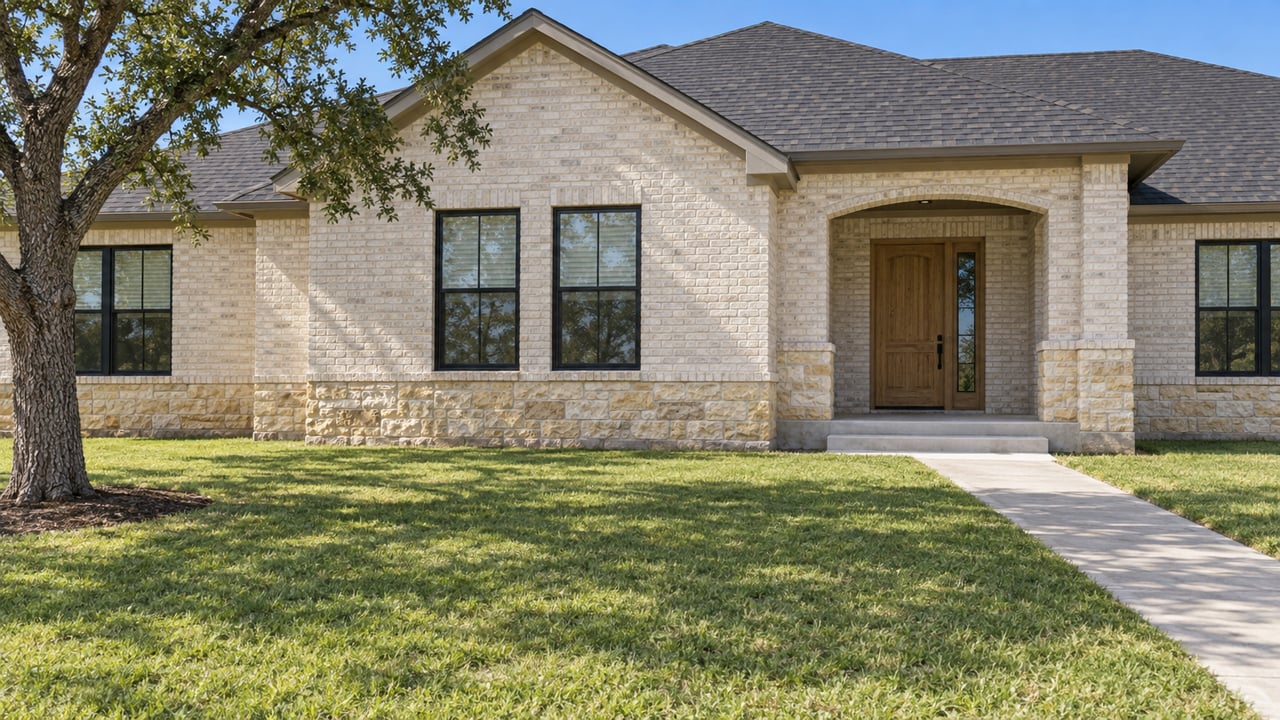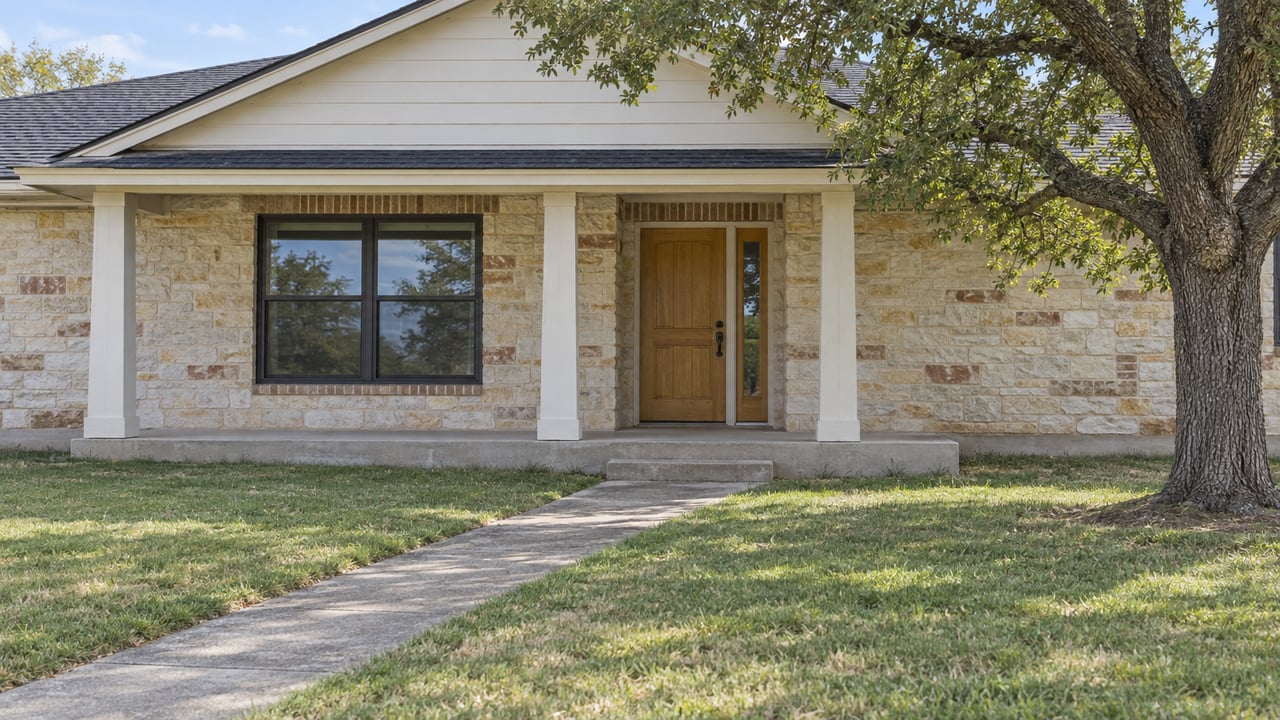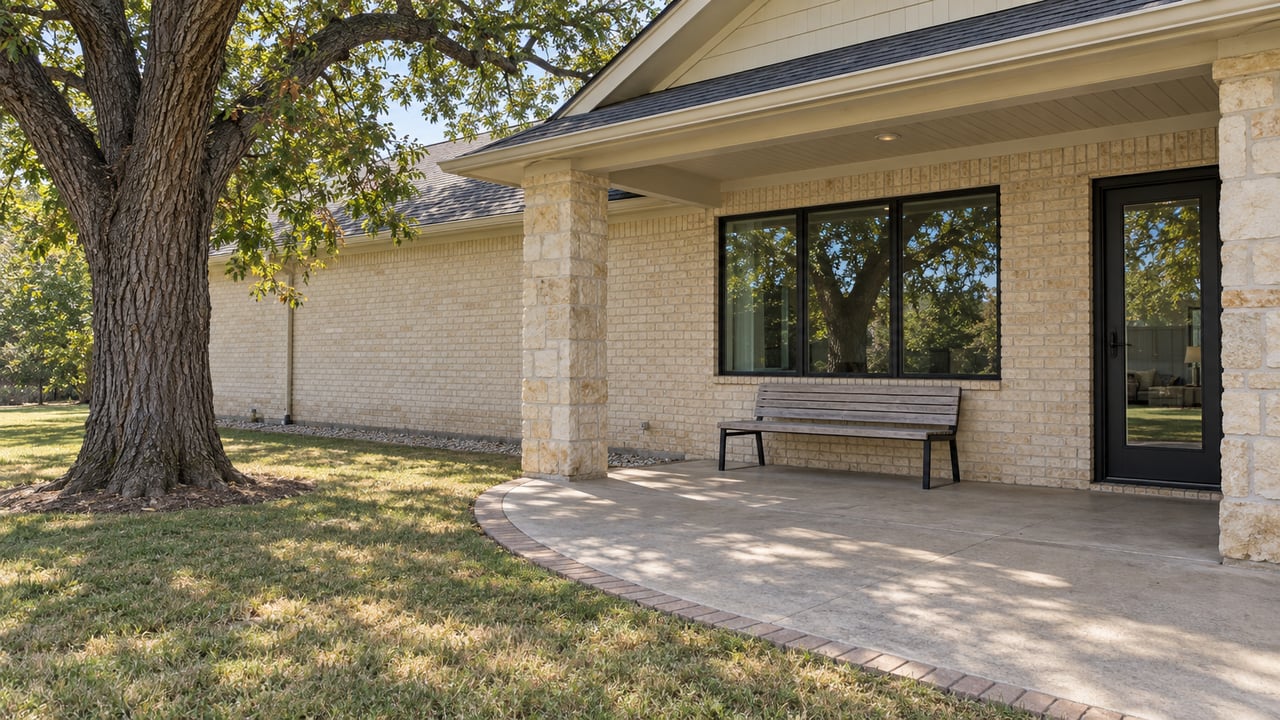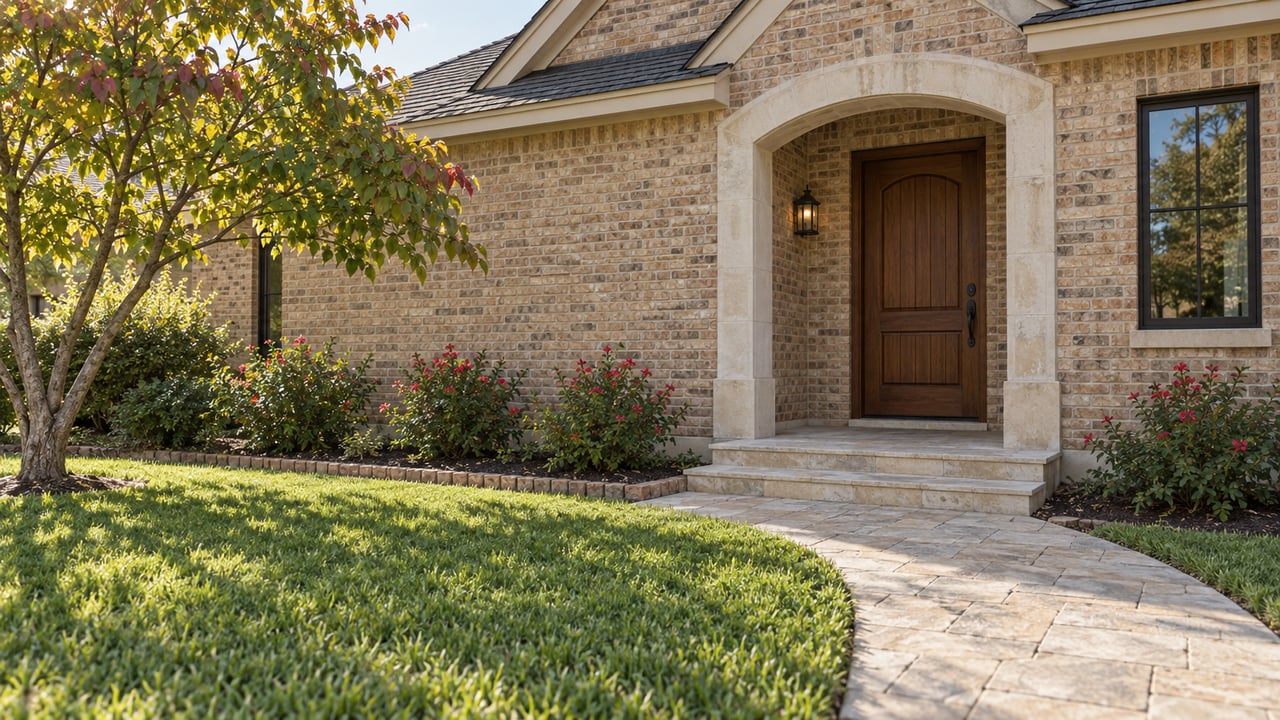
Getting your home ready to sell in Bellville is not about chasing perfection. It is about helping buyers see value the moment they pull up, walk in, and picture themselves living there. In a market where homes may sit longer and buyers can be price-sensitive, smart preparation can help you stand out, reduce surprises, and support a stronger sale. Let’s dive in.
Why market-ready matters in Bellville
Bellville offers a mix of historic homes, in-town properties, and acreage listings, which means buyers often pay close attention to condition, upkeep, and first impressions. The city also serves as the county seat of Austin County, and the area’s housing mix can make presentation especially important for older homes or larger lots with more visible exterior features. According to the City of Bellville, Bellville includes both historic homes and acreage properties.
Recent housing data also points to the need for careful prep and realistic expectations. Redfin’s Bellville housing market data reported a median sale price of $357,737 and a median of 113 days on market in February 2026, while the research summary also notes Bellville homes were selling below asking on average. When buyers have options, homes that look clean, cared for, and well-priced often have an advantage.
Start with curb appeal
Before a buyer notices your kitchen or living room, they see your driveway, front entry, lawn, and roofline. That first impression can shape how they feel about the rest of the showing. In fact, NAR’s outdoor remodeling research found that 92% of REALTORS® recommend improving curb appeal before listing.
For many Bellville sellers, the best first step is a simple exterior cleanup. Mow the lawn, edge the walkways, trim shrubs, clear out dead plants, pressure wash surfaces if needed, and freshen up the front door area. If you have an acreage property, tidy fencing, gates, driveways, porches, and visible outbuildings so the full property feels maintained.
Focus on visible exterior fixes
Not every project deserves your time or money before listing. In most cases, buyers respond best to updates they can see right away and repairs that remove concerns. A worn front door, faded trim, loose gate, damaged mailbox, or peeling paint can make a home feel less cared for than it really is.
If your budget allows for one bigger exterior improvement, consider high-visibility items first. NAR’s remodeling guidance points to garage door replacement and steel entry door replacement as strong-impact projects. In practical terms, that means your front entry and garage façade may deserve attention before a large cosmetic remodel elsewhere.
Check permit requirements first
If you plan to do more than light touch-ups, pause before work begins. Bellville requires permits for several common repair categories, including re-roofing, foundation work, garages, carports, sheds, decks, concrete driveways and sidewalks, plus plumbing, mechanical, and electrical work. You can review local rules through the City of Bellville permits and inspections page.
This matters because unpermitted work can create delays once your home is under contract. If you are making substantial repairs, it is better to confirm the requirements up front.
Declutter before you decorate
One of the most effective ways to make your Bellville home market-ready is also one of the simplest. Remove excess furniture, clear off surfaces, pack away personal items, and create a sense of space. Buyers do not need to see everything you own. They need room to notice the home itself.
NAR’s seller showing checklist recommends decluttering, depersonalizing, deep cleaning, staging, and handling necessary repairs before showings. Those basics can make a big difference, especially in a smaller-town setting where buyers may move through a showing slowly and notice unfinished projects, crowded rooms, or lingering odors more easily.
Prioritize the rooms buyers notice most
You do not have to stage every room perfectly to make a strong impression. Start with the spaces that carry the most weight during a showing. According to the 2025 NAR staging report, the most commonly staged rooms are the living room, primary bedroom, dining room, and kitchen.
That gives you a practical roadmap. If your time or budget is limited, focus first on:
- Living room
- Primary bedroom
- Kitchen
- Dining area
- Main bathrooms
Clear counters, simplify décor, add fresh towels, and make each room feel open and easy to move through. The goal is not to make your home look fancy. The goal is to make it feel clean, bright, and easy to imagine living in.
Deep clean like buyers will notice everything
They usually do. A clean home signals care, and a dirty home can raise questions about maintenance, even when major systems are in good shape. Before listing, give special attention to floors, baseboards, windows, ceiling fans, bathrooms, kitchen surfaces, appliances, and any area with pet hair or odor.
Before each showing, NAR recommends a short reset that includes making beds, clearing kitchen and bath counters, wiping mirrors and surfaces, opening window treatments, turning on lights, organizing the refrigerator, neutralizing odors, and taking pets with you. Following a pre-showing checklist can help your home show more consistently.
Watch for odor and unfinished projects
Two things can turn buyers off quickly: odor and visible half-done work. Pet smells, smoke, mildew, and strong air fresheners can all become distractions. So can patchy paint, missing trim, exposed wiring, or a room that looks mid-renovation.
If a project cannot be finished before you list, talk through the best strategy before it becomes a showing issue. In many cases, completing a small repair is better than leaving buyers to guess what else may be unfinished.
Fix what matters most first
If you are wondering what to repair before listing, start with three categories: visible issues, functional issues, and likely inspection concerns. Buyers often notice cosmetic wear right away, but they also pay close attention to anything that affects comfort, safety, or future cost.
Based on the research, your priority list should usually include:
- Roof concerns
- HVAC issues
- Plumbing or electrical problems
- Damaged or outdated front entry features
- Garage door issues
- Obvious drywall, flooring, or paint damage
- Broken fixtures or hardware
According to NAR’s guide to preparing to sell, it is wise to get cost estimates for major issues such as roof, HVAC, or appliance problems because buyers often factor those costs into negotiations. Even if you decide not to repair everything, knowing the likely cost helps you price and negotiate more confidently.
Consider a pre-list inspection
A pre-list inspection is not required, but it can give you a clearer picture of your home before a buyer brings in their inspector. That can be especially helpful if your property is older, has acreage improvements, or has systems you have not evaluated in a while.
NAR’s consumer guide explains that a pre-sale inspection can identify issues related to structure, exterior, roof, plumbing, electrical systems, heating and air conditioning, interiors, insulation, and fireplaces. Knowing about those issues early may help you decide whether to repair them, price around them, or prepare for likely buyer questions.
Understand Texas disclosure rules
In Texas, disclosure is a major part of the selling process. The Texas Real Estate Commission Seller’s Disclosure Notice is required for sellers of previously occupied single-family residences, and it covers material facts and the physical condition of the property.
If a pre-list inspection reveals concerns, that does not automatically mean your sale is in trouble. It does mean you should understand what needs to be disclosed and how to present the property honestly and clearly. Good preparation can reduce last-minute surprises and help the transaction move more smoothly.
Be smart about staging
Staging is not about hiding flaws. It is about helping buyers understand the layout, scale, and function of each space. That can matter even more when a home is vacant, heavily furnished, or filled with personal collections.
The 2025 NAR staging report found that 83% of buyers’ agents said staging makes it easier for buyers to picture a property as their future home. The same report found that 49% of sellers’ agents said staging reduced time on market.
Keep staging simple and neutral
You do not need a dramatic makeover. Usually, a lighter-touch approach works well:
- Remove oversized furniture
- Use neutral bedding and towels
- Add lamps for warmth and light
- Keep counters mostly clear
- Define each room’s purpose
- Use minimal, clean décor
This approach helps buyers focus on square footage, light, storage, and flow instead of your personal style.
Price and prep work together
Even a beautiful home can struggle if it enters the market overpriced. In Bellville, where available data suggests a longer selling timeline and sale prices below asking in some cases, presentation and pricing should support each other. A market-ready home gives you a better chance to launch with confidence, attract serious buyers, and reduce the need for repeated price drops.
That is why your prep plan should not happen in isolation. The best strategy usually looks at your home’s condition, location, lot features, and likely buyer expectations all at once.
Create a Bellville-ready checklist
If you want a simple plan, here is where to start before listing:
- Clean up the front yard, porch, driveway, and entry.
- Handle visible repairs buyers will notice right away.
- Check major systems and get estimates for larger issues.
- Confirm whether any planned work needs a permit.
- Declutter and depersonalize the main living spaces.
- Deep clean the whole home.
- Stage the living room, primary bedroom, kitchen, and dining area first.
- Build a pre-showing routine so the home stays ready.
- Review disclosures and consider a pre-list inspection.
- Match your preparation to a realistic pricing strategy.
Getting market-ready is not about doing everything. It is about doing the right things in the right order so buyers feel confident from the start.
If you are thinking about selling in Bellville, I can help you sort out what is worth doing, what can wait, and how to position your property for today’s market. For a personalized prep walk-through and local guidance, connect with Lauren M. Cox.
FAQs
What should you fix first before listing a Bellville home?
- Start with curb appeal, safety or function issues, and problems likely to appear in an inspection, such as roof, HVAC, plumbing, electrical, or obvious exterior damage.
Is staging worth it for a Bellville home sale?
- Yes. NAR reports that staging helps buyers picture the home more easily, and many agents say it can reduce time on market.
Do you need a pre-list inspection before selling a Bellville home?
- No, a pre-list inspection is not required, but it can help you uncover issues early and make better repair, pricing, and disclosure decisions.
Do Bellville home repairs require permits before listing?
- Some do. Bellville requires permits for several common projects, including re-roofing, foundation work, sheds, decks, driveways, and certain plumbing, mechanical, and electrical work.
What rooms matter most when staging a Bellville home?
- The highest-priority rooms are usually the living room, primary bedroom, kitchen, and dining room, based on NAR staging data.
Can you sell a Bellville home as-is?
- Yes, but selling as-is means you are not promising repairs, and buyers may still inspect the property and factor needed work into their offer.